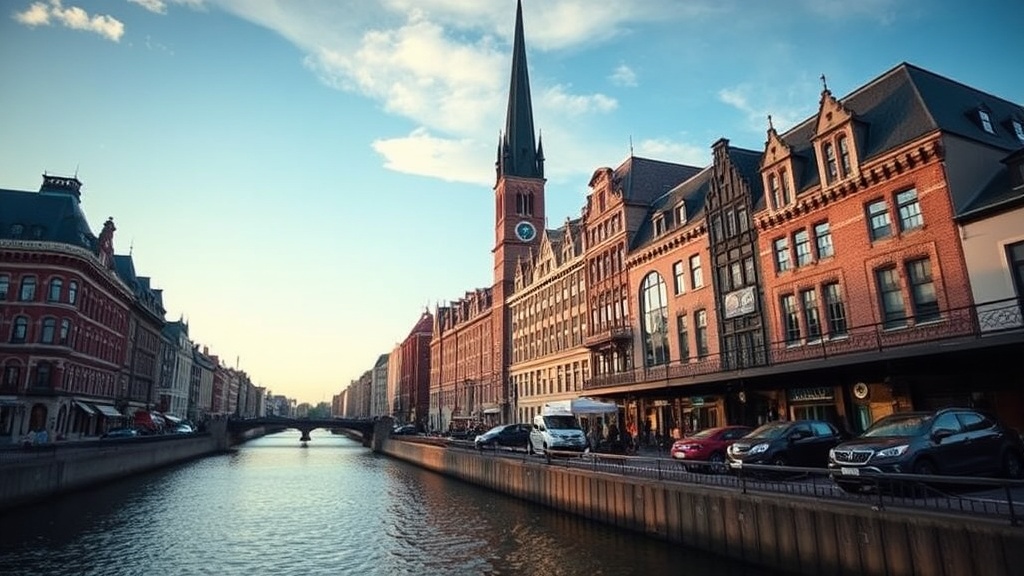
Old Quebec's Ascent Advantage: Local Paths for Smarter Sightseeing

Stepping into Old Quebec, you're immediately struck by its undeniable charm—and its dramatic hills. The journey between the bustling Lower Town and the majestic Upper Town can feel like a vertical challenge, especially when navigating crowded main thoroughfares or waiting for the funicular. But for those in the know, the city offers a network of stairways and hidden passages that don’t just save time; they reveal a completely different, often quieter, side of our historic district.
This isn't about avoiding the main attractions; it’s about enriching your experience by understanding the city’s unique topography. Think of it as a local’s cheat sheet to better flow, whether you’re seeking a morning coffee, heading to a specific museum, or simply want to discover new vistas without the throngs.
Why Should I Choose the Stairs Over Main Roads?
While the Funicular is a quaint experience, and Rue du Petit Champlain is undeniably picturesque, relying solely on them means you're missing out on the genuine pulse of Old Quebec. Many of the staircases, often dating back centuries, offer not only a direct route but also unexpected viewpoints, glimpses into private gardens, and the quiet satisfaction of discovering a path less trodden. They connect neighborhoods in a more intimate way, allowing you to appreciate the architectural shifts and serene residential corners away from the souvenir shops. It's an efficient way to travel, certainly, but also a more rewarding one for the curious visitor.
What Are Old Quebec's Most Rewarding Stairways?
Beyond the obvious steps leading up to the Esplanade, several staircases provide excellent utility and charm:
- Escalier Casse-Cou (Breakneck Stairs): Yes, it’s famous, but it’s still the most direct route between Lower Town and Rue du Petit Champlain up to Côte de la Montagne. Go early to appreciate its history before the crowds descend.
- Côte de la Citadelle: Less of a stair, more of a steep winding road (with sidewalks!), this offers a robust climb and direct access to the Plains of Abraham and the Citadelle. The views looking back towards the river are superb.
- Escalier du Faubourg (Faubourg Stairs): Tucked away from the busiest areas, this staircase connects Rue Saint-Jean (outside the walls) with Rue Sainte-Angèle inside the fortifications. It’s a great shortcut if you’re exploring beyond the main tourist circuit and need to gain elevation quickly.
- Staircases near Parc du Bastion-de-la-Reine: Several unnamed but well-maintained sets of stairs allow you to traverse the walls near the Parliament Building, offering scenic routes and access to the upper fortifications.
How Can I Plan a Route That Embraces the Heights?
The trick to enjoying Old Quebec's vertical landscape is to integrate it into your exploration rather than seeing it as an obstacle. Start by reviewing a good topographic map—many apps offer contour lines, which help visualize the elevation changes. Plan your day with an awareness of where you need to be and how much ascent is involved. If you’re heading from the port up to the Château Frontenac, consider taking a less direct but more scenic route through the Basse-Ville, then finding a well-placed set of stairs. Mixing and matching these routes keeps things fresh and helps you avoid pedestrian bottlenecks. Remember to wear comfortable shoes; your feet will thank you, and you’ll be able to enjoy every step of our beautiful city. For more detailed navigation, consult official