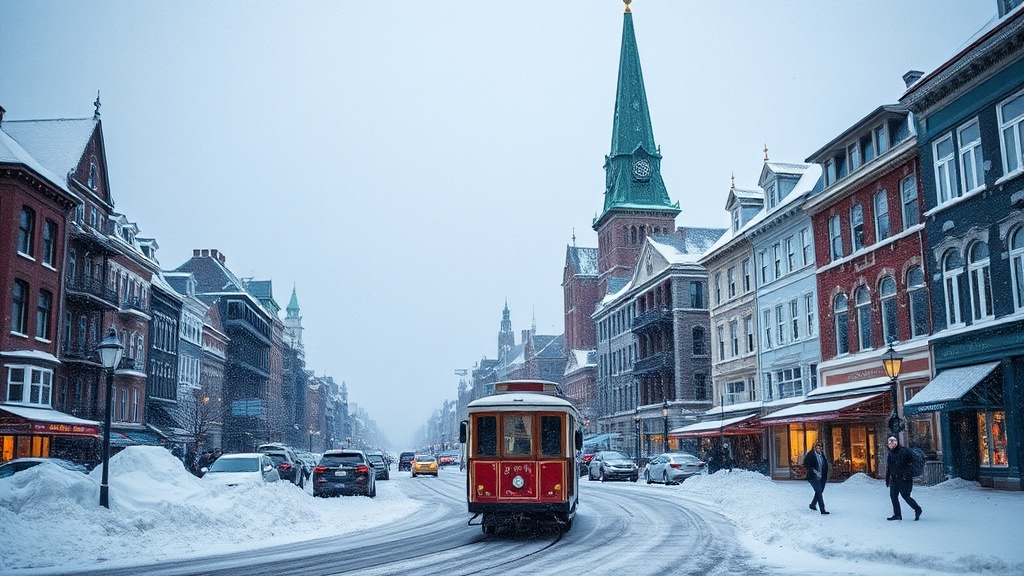
Old Quebec Winters: A Resident's Guide to Navigating Snow Season Like a Local

What Should Old Quebec Residents Know About Snow Removal Priorities?
When the first major storm blankets our cobblestone streets, do you know which roads get cleared first—and why your street might wait until morning? Living in Old Quebec means accepting winter as a collective experience we navigate together. The city's snow removal operation follows a strict hierarchy that every local should understand. Priority one routes—think Rue Saint-Jean, Côte de la Fabrique, and Boulevard Champlain—see plows within hours of accumulation ending. These arteries keep our community connected to hospitals, emergency services, and essential businesses.
But here's what newcomers to Old Quebec often learn the hard way: our narrow historic streets in the Basse-Ville weren't designed for modern snow equipment. When the plows do arrive in neighborhoods like Petit Champlain or around Place-Royale, the process becomes a delicate dance between machinery and heritage. The city publishes its snow removal schedule on Ville de Québec's official portal, and savvy locals check it religiously. Sign up for text alerts through their notification system—knowing when your street's designated for clearing saves you from the frustration of digging out your car twice.
Where Can You Park in Old Quebec During a Snow Ban?
Parking in Old Quebec already demands strategy during temperate months; add snow removal operations to the mix, and it becomes an art form. When the city declares a snow ban—opération de déneigement—alternate-side parking rules transform our streetscape. The signage changes, timers reset, and vehicles left in violation disappear to impound lots faster than you can say "tabarnac."
So where do displaced vehicles go? Seasoned Old Quebec residents develop personal networks of solutions. Some negotiate with employers near Saint-Roch for overnight arrangements. Others maintain friendships with neighbors in Upper Town who possess driveways. The municipal lot behind the Marché du Vieux-Port sometimes opens for emergency snow-ban parking—check the city's parking regulations page for current availability. Smart locals also know which side streets escape immediate plowing attention, though sharing those secrets feels like giving away fishing spots.
How Do Locals Keep Walkways Safe Without Damaging Historic Infrastructure?
The responsibility for sidewalk clearing in Old Quebec falls upon property owners—and our limestone walkways demand respect. Salt corrodes centuries-old stone. Metal shovels gouge delicate surfaces. Yet we have an obligation to our elderly neighbors and postal workers who traverse these passages daily. What's the balance?
Our community has developed winter practices passed between generations. Sand provides traction without chemical damage—many locals source it from the municipal depot on Rue des Fossés. Plastic shovels with rounded edges become standard equipment for conscientious residents. Some buildings in the fortified district coordinate collective purchases of calcium magnesium acetate, a gentler alternative to rock salt that won't erode the foundations our ancestors built.
The heritage preservation office at Ville de Québec's heritage division offers guidelines specifically for property owners within the UNESCO-protected zone. Following their recommendations isn't merely about avoiding fines—it's about stewardship of our shared architectural inheritance. When you shovel your stretch of Rue du Petit-Champlain or the steps leading toward Terrasse Dufferin, you're participating in a centuries-old tradition of mutual care.
What Community Resources Help Old Quebec Residents Through Harsh Winters?
Winter in our neighborhood isolates no one who reaches out. The Maison des Jeunes du Vieux-Québec operates warming stations during extreme cold warnings—places where residents without adequate heating can find refuge and hot beverages. Our local library, the Bibliothèque Claire-Martin on Rue Saint-Stanislas, extends its hours when temperatures plummet, offering both warmth and internet access to those who need it.
The mutual aid network among Old Quebec residents runs deeper than official services. Facebook groups and WhatsApp channels buzz with offers of snow-clearing assistance for elderly neighbors, shared bulk salt purchases, and real-time updates on which streets have been serviced. During the infamous ice storm of 1998, these informal networks proved more resilient than any government response—and we've maintained them ever since. Check community bulletin boards at Épicerie J.A. Moisan (Quebec City's oldest grocery, serving our neighborhood since 1871) for handwritten offers of winter assistance.
How Does Winter Affect Daily Errands and Local Business Access?
Shopping patterns in Old Quebec shift dramatically from November through April. Those pristine winter mornings after overnight snowfall create magical scenes—but they also mean adjusting your routine. The steep descent from Upper Town to Lower Town becomes treacherous; many locals switch to the Funiculaire during icy periods, though it closes during severe storms. The breakneck staircase alternatives—Escalier du Quai-du-Roi or Escalier Casse-Cou—demanderespect and proper footwear.
Our neighborhood businesses adapt with us. The dépanneurs extend their hours when storms threaten. Les Cabines à Sucre and other local merchants maintain salted pathways for pedestrian safety. The Saturday farmers' market at the Marché du Vieux-Port relocates indoors during deep winter, transforming from open-air gathering to heated community space. Seasonal closures affect some tourism-dependent shops along Rue du Trésor, but core services—pharmacies, grocery stores, hardware suppliers—remain steadfast for residents.
Parcel delivery becomes unpredictable. Canada Post carriers know our neighborhood intimately, navigating ice-slicked staircases with remarkable dedication, but delays happen. Consider redirecting packages to the postal outlet on Côte de la Fabrique rather than requiring doorstep delivery on steep, unshoveled steps. Your carrier—and your intact packages—will thank you.
Winter Survival Tips for Old Quebec Neighbors
- Invest in proper crampons or winter boots with aggressive tread—our limestone becomes marble-slick when wet and frozen.
- Keep emergency supplies at both your residence and workplace; sudden storms can strand you away from home.
- Learn the location of your nearest emergency warming station before you need it.
- Maintain friendly relationships with neighbors across generations—mutual aid networks prove more valuable than any insurance policy.
- Embrace the season. Old Quebec in winter offers a quality of light, silence, and community connection that summer tourists never witness.
"Winter in Old Quebec isn't something to endure—it's something we navigate together, as our families have for four centuries."
Our stone buildings have weathered worse than any modern storm. The key to thriving here—rather than merely surviving—lies in preparation, community connection, and respect for both the environment and our shared infrastructure. When the snow flies, we don't hibernate; we adapt, we assist one another, and we remember why this particular stretch of the St. Lawrence River has drawn determined residents since Champlain's day.