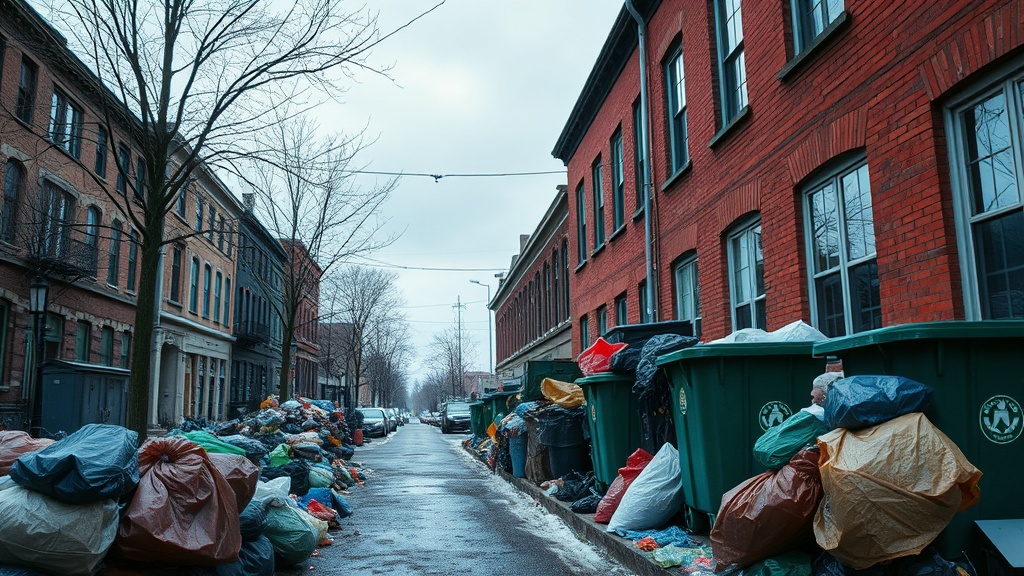
Managing Garbage Collection and Recycling in Old Quebec

Imagine it's Tuesday morning on Rue Saint-Jean. You've just finished sorting your glass bottles and paper, but then you realize—is it collection day? Or did the city change the schedule for our specific sector of Old Quebec? For those of us living within the historic walls, keeping up with the municipal waste schedules can feel like a chore, especially when the narrow streets and strict heritage-friendly regulations make simple tasks feel more complex. This guide covers the practicalities of waste management for our residents.
Living in a UNESCO World Heritage site means our rules aren't exactly the same as the suburbs. We have to be mindful of how we present our bins and how we handle organic waste to keep our streets looking beautiful. Whether you live in a modern apartment near Place Royale or a historic stone house near the Citadelle, understanding the rhythm of the city's services is part of being a good neighbor in Old Quebec.
How do I know the garbage collection schedule for my street?
The most common point of confusion for our community is knowing exactly when the truck will roll through our narrow lanes. The City of Quebec manages different sectors, and Old Quebec often has specific pick-up days to prevent heavy truck traffic from disrupting the flow of the historic district. You shouldn't rely on memory alone; the city provides a digital calendar that is quite reliable.
To find your specific day, you can visit the official Ville de Québec website. It's worth checking this once a month to see if any holidays—like Saint-Jean-Baptiste or even just a seasonal shift—might move your collection date. For residents near the Petit Champlain area, please keep in mind that accessibility for the trucks is even more limited, so being ready even five minutes early is a good habit.
- Check the digital calendar for the 'Vieux-Québec' sector.
- Mark your physical calendar for any upcoming statutory holidays.
- Keep an eye on local community notices for any sudden changes in service.
What are the rules for recycling and organic waste in Old Quebec?
We all want to do our part, but the sorting rules can be a headache. In Old Quebec, we have strict guidelines to ensure our recycling streams stay clean. For example, certain types of plastics that are fine in other parts of the province might not be accepted here due to the specific processing facilities used for our historic district.
When it comes to organic waste (compost), many of our local multi-residential buildings have specific bins for food scraps. If you live in a smaller building on Rue de la Montagne, you might need to check with your landlord about the specific collection method. The goal is to keep the organic waste out of the general trash to reduce our footprint. A good resource for understanding exactly what goes in which bin is the Quebec Ministry of Environment documentation regarding waste diversion.
Pro-tip: Always rinse your containers. A dirty peanut butter jar can actually ruin an entire batch of recycling, and we want to keep our Old Quebec neighborhoods clean and efficient.
Where can I dispose of large items or bulky waste?
We've all been there: you finally buy a new piece of furniture or need to get rid of an old rug, and suddenly your small storage space in an Old Quebec apartment feels even smaller. You can't just leave a sofa on the sidewalk near the Château Frontenac; that's not how we do things here. It's unsightly and can even lead to fines from the city.
For bulky items, the city offers specific collection services, but you usually have to book them in advance. This is especially important in Old Quebec because the streets are so narrow. If a large item is left out without a scheduled pick-up, it blocks the way for residents and local deliveries. There are a few ways to handle this:
- Scheduled Pick-up: Call the municipal services line to arrange a special collection for large furniture or electronics.
- Ecocentres: If you have a vehicle, driving to a nearby ecocentre is often the fastest way to get rid of old electronics or hazardous materials.
- Local Donations: If the item is still in good shape, check with local community centers or small non-profits near the walls that might accept donations.
Remember, being a resident of Old Quebec means being a steward of our history. Keeping our streets free of clutter helps maintain the charm that makes our neighborhood so special. If you see someone else leaving junk on the curb improperly, a polite reminder or a quick call to the city can help keep our community standards high.
How do I handle hazardous waste like batteries or paint?
Don't just toss those old batteries in the bin under your sink! In Old Quebec, we have very specific protocols for "hazardous" items. This includes everything from old paint cans to used motor oil or even old lightbulbs. These items can't go into your regular bin because they can contaminate our local water and soil.
Most local grocery stores or specialized hardware shops in the area have small bins for batteries, but for larger items, you'll need to visit an official collection point. We've found that many residents find it easiest to keep a small box in their utility closet and take it all at once to the nearest ecocentre once or twice a year. This keeps our household waste organized and ensures we aren't constantly worrying about what's "safe" to throw away in the moment.
By following these simple steps, we ensure that Old Quebec remains a beautiful, clean, and sustainable place to live. It might take an extra minute of sorting, but it's a small price to pay for the community we've built here.