Keeping the Stone Standing: A Local Guide to Old Quebec Heritage Maintenance

You’re walking down Rue Couillard on a Tuesday morning and notice a small pile of grey dust and a few chips of stone on your front step. It isn’t just debris from the wind; it’s a sign that your 200-year-old limestone wall is starting to shed. For those of us living in Old Quebec, this isn't a minor chore—it’s the start of a multi-month process involving heritage permits, specialized mortar, and a search for a mason who knows how to treat stone that was quarried before Canada was even a country. This guide covers the specific maintenance hurdles we face as residents and why preserving the structural integrity of our homes matters for the future of our historic district. We aren't just homeowners; we are the current caretakers of a UNESCO World Heritage site, and that comes with a unique set of responsibilities and headaches.
What are the specific rules for repairing stone walls in Old Quebec?
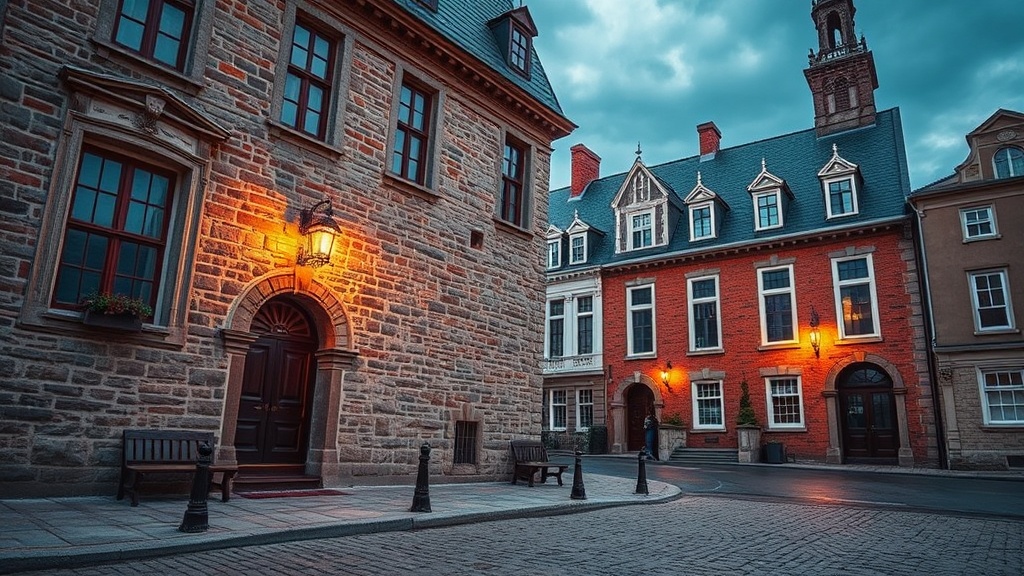
Our stone walls are the literal foundation of the neighborhood’s character, but they are also incredibly temperamental. Most of the historic buildings in Old Quebec are constructed from local limestone or stone from Cap-Rouge. These materials are relatively soft and porous, which means they need to breathe. If a previous owner made the mistake of using modern Portland cement to repoint the joints, you’re likely seeing the results of that error now. Modern cement is too hard; it traps moisture inside the stone, and when our brutal winter freeze-thaw cycles hit, the moisture expands and shatters the face of the limestone. This is why the city is so strict about the type of mortar we use.
When you start a masonry project in Old Quebec, you have to use a traditional lime-based mortar. It’s softer than the stone, allowing moisture to escape through the joints rather than the stone itself. It’s a messy, slow process that requires specific humidity levels to cure properly. You’ll also need to ensure that the color of the mortar matches the surrounding buildings on your street. The Commission d'urbanisme et de conservation de Québec (CUCQ) keeps detailed records of what is acceptable for each block. Before you even think about hiring a contractor, you should consult the official heritage portal of the City of Quebec to understand the specific requirements for your building’s age and style.
The Battle with the Elements: Slate and Tin
The roof over your head is another area where standard hardware store solutions just won't cut it. In Old Quebec, we generally see two types of heritage roofing: Canadian-style tin (tôle à la canadienne) or slate. If you’re lucky enough to have a slate roof, you know that a single cracked tile can lead to a slow leak that rots heritage timbers before you even see a spot on your ceiling. Finding genuine slate that matches the existing quarry is tough, and finding a roofer who can walk on it without breaking ten more tiles is even tougher.
For those with tin roofs, the maintenance is more about the paint and the seams. These roofs expand and contract significantly during the summer heat and the deep winter cold. You have to keep a close eye on the red or grey paint that protects the metal from the salt air coming off the St. Lawrence River. Once that paint peels, rust sets in fast. We often see neighbors sharing the cost of a specialized roofing crew because getting a cherry picker into some of our narrow side streets—like Rue du Trésor or small alleys off Rue Saint-Jean—is a logistical nightmare that costs more than the actual repair. It’s always better to coordinate with the community to handle these big-ticket items together.
Where can we find specialized craftsmen for historic woodwork?
Windows and doors are the eyes of our homes, and in Old Quebec, they have to be just right. You can’t just head to a big-box store and buy a vinyl double-hung window. The city requires us to maintain the original architectural profile, which usually means solid wood frames with specific glazing patterns. If your house has "petits carreaux" (small panes), you are expected to keep them. The joinery involved in creating these windows is a dying craft, but we still have a handful of local workshops that specialize in heritage reproductions. These craftsmen understand how to create a seal that stands up to a Quebec winter without relying on ugly modern materials that would ruin the look of the street.
Finding these experts often happens through word of mouth at our local community meetings or by checking with Action patrimoine, a non-profit dedicated to preserving our built environment. You can find more information about their resources at Action patrimoine's website. Working with these specialists is more expensive, but it’s the only way to ensure your renovation doesn't get shut down by a city inspector. Also, wood windows require regular scraping and painting every five to seven years. It’s a constant cycle, but it’s what keeps our neighborhood looking like a living museum rather than a film set.
Ironwork and Balconies
Don’t forget the wrought iron. Many of our homes in the Upper Town have beautiful railings and small balconies that date back a century or more. The salt used on our sidewalks in the winter is the natural enemy of this ironwork. Every spring, we should be checking the base of our railings where they meet the stone steps. Rust can expand and crack the very stone the iron is anchored into. A quick wire-brushing and a coat of high-quality black enamel paint every two years can save you thousands of dollars in masonry repairs later. It’s one of those small tasks that’s easy to ignore until the railing feels loose under your hand.
Why does the city require specific paint colors for our exterior doors?
You might want to paint your front door a bright, modern teal, but in Old Quebec, your choices are dictated by the heritage palette. The colors we see on our streets—the deep reds, forest greens, and muted blues—aren't accidental. They are based on historical pigments that were available in the 18th and 19th centuries. The CUCQ regulates these colors to ensure that the visual harmony of the district remains intact. It might feel restrictive, but this consistency is part of what makes our community so special. It prevents a single building from clashing with the centuries of history surrounding it.
When you apply for a permit to repaint, you’ll often have to provide a color chip for approval. There are specific local paint shops that carry the "Heritage Series" colors that are pre-approved for our district. Using these makes the approval process much faster. Also, remember that the finish matters. High-gloss finishes were rare historically, so the city often pushes for a satin or semi-gloss that looks more authentic under our streetlamps. It’s these tiny details that maintain the atmosphere we all love about living here.
Living in this part of town means accepting that your home is never truly "finished." There is always a joint to be repointed, a window sill to be sanded, or a permit to be filed. The bureaucracy can be frustrating—we’ve all spent hours at the city office trying to explain why a specific repair is urgent—but the result is a neighborhood that looks and feels like nowhere else in the world. We take care of our stones so that the stones can continue to tell the story of Old Quebec for another few centuries. It’s a lot of work, but when you look up at the steeples of the Petit Séminaire de Québec and see the sun hitting the rooftops, you know it’s worth every penny and every permit.