How to Spend a Perfect Winter Day in Old Quebec: A Local's Guide

What Does This Guide Cover for Old Quebec Residents?
This post maps out a full winter day in Old Quebec designed for locals — not tourists. You'll find specific routes that avoid the seasonal crowds, practical tips for navigating icy streets, and genuine recommendations for places that serve our community year-round. Whether you're new to the neighborhood or you've walked these cobblestones for decades, there's something here for making the most of our coldest months without leaving town.
Where Can You Find Peace and Quiet in Old Quebec During Winter Mornings?
The answer lies along the Plains of Abraham before 9 AM. While tourists sleep in at their hotels, locals know this stretch of parkland becomes something magical — almost empty, crisp air, and snow crunching underfoot without the summer crowds.
Start your day at the Plains of Abraham. Enter from Avenue George-VI near the Musée national des beaux-arts du Québec. The walking paths get cleared early by city crews, and you'll share the space with a handful of fellow residents walking their dogs or getting in a morning cross-country ski session. The view toward the St. Lawrence River through bare winter trees? Worth bundling up for.
Here's the thing about Old Quebec in winter — the morning belongs to us. After your walk, head down toward Rue Saint-Jean. Most shops open around 10, but the cafés start buzzing much earlier. Stop by Café La Maison Smith on Rue Saint-Jean for a proper café au lait. It's where neighborhood regulars gather, and the staff actually remembers your order.
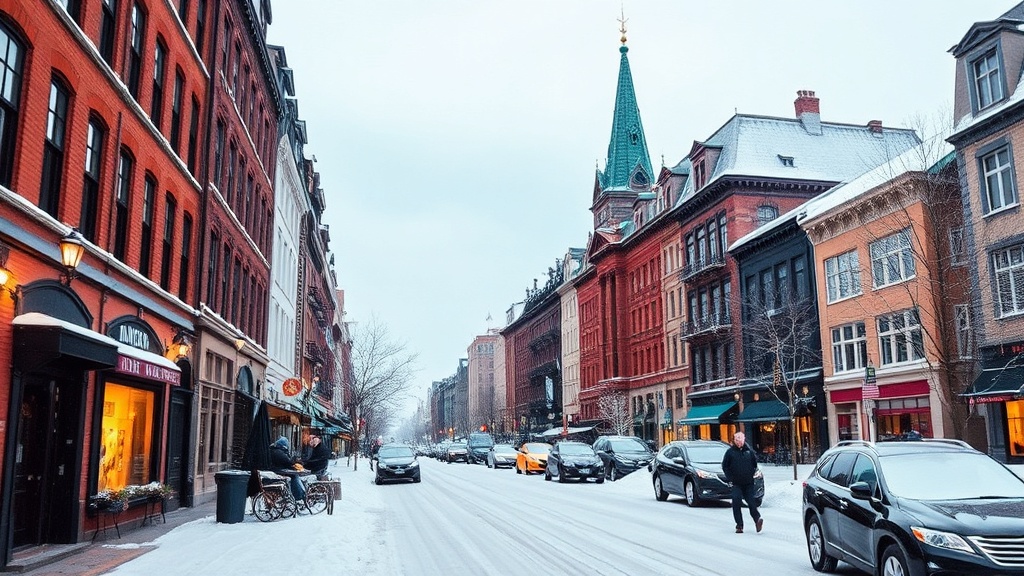
Winter mornings in Old Quebec aren't about rushing. They're about claiming these streets before the day-trippers arrive. You'll notice the difference — the shopkeepers sweeping their doorsteps, the sound of your boots echoing off stone buildings, the way snow settles on the 18th-century rooftops without a hundred cameras clicking.
What Indoor Activities Keep Old Quebec Locals Busy During Winter?
When the wind picks up off the river (and it will), locals head to the Musée de la civilisation on Rue Dalhousie. Unlike the seasonal attractions that cater to out-of-towners, this museum anchors our community programming year-round. Winter exhibitions often highlight Quebec history — the kind of content that resonates when you're living through another February freeze.
The museum's Café 1029 serves decent soup and sandwiches at prices that won't shock someone who actually pays rent here. Plus, the Wi-Fi is reliable — a practical consideration when you're ducking in to warm up.
That said, not every winter day requires a museum visit. Some of the best local winter activity happens at the Patinoire de la place D'Youville. This outdoor rink sits right in the heart of Old Quebec, surrounded by heritage buildings and the stone walls that define our neighborhood. Admission is free for residents with a Carte Activité from the city. Skate rentals run about $10 if you don't own a pair.
Worth noting — the rink attracts a genuine mix of Old Quebec residents. You'll see university students from nearby campuses, families with kids learning to skate, and retirees gliding through their morning exercise routine. It's community infrastructure that actually serves the community.
Where Should You Eat Lunch Without the Tourist Markup in Old Quebec?
Avoid anything within 100 meters of the Château Frontenac's main entrance. Instead, walk the extra five minutes to Boulevard René-Lévesque Est or venture toward Rue Saint-Paul in the lower town.
Casse-Crôchete Dix on Rue Saint-Jean (yes, still tourist-adjacent, but tucked upstairs) serves poutine that locals actually endorse. The portions are generous, the gravy is proper, and you won't pay "heritage site" pricing. A regular poutine runs around $12 — expensive compared to the suburbs, but reasonable for our neighborhood.
For something lighter, Le Cactus on Rue Saint-Jean offers Mexican fare that's become a local staple. The winter menu features hearty soups and their reliable burrito bowls. Again, not fancy — just honest food for people who live here.
The catch? Most tourist-trap restaurants in Old Quebec bank on one-time visitors who'll never return. As residents, we learn quickly which places welcome us back. Look for the lunch specials written in French only — that's usually a good sign the kitchen caters to locals who work nearby.
Winter Lunch Options Comparison
| Spot | Price Range | Best For | Local Tip |
|---|---|---|---|
| Casse-Crôchete Dix | $10-15 | Hearty poutine, quick service | Go before noon to beat the construction workers |
| Le Cactus | $12-18 | Lighter fare, vegetarian options | The winter soup rotates weekly — ask what's fresh |
| Café 1029 (Musée) | $8-14 | Warming up, quiet conversation | Museum admission not required for the café |
| Marché du Vieux-Port vendors | $8-20 | Local ingredients, prepared foods | Weekend mornings have the best selection |
How Do You Spend a Winter Afternoon Like a True Old Quebec Resident?
Afternoons in Old Quebec during winter follow a rhythm that tourists rarely understand. Around 2 PM, when the day-trippers head back to their buses, the neighborhood returns to the people who call it home.
Head to the Marché du Vieux-Port on Quai Saint-André. This public market operates year-round, and winter brings a different character entirely. Local vendors sell root vegetables, preserved goods, maple products, and prepared foods that reflect what's actually available in Quebec during February. The market becomes a social hub — you'll run into neighbors, discuss the latest snow clearing on your street, and pick up dinner ingredients without driving to the suburbs.
After the market, walk the Promenade Samuel-De Champlain if you're properly dressed. The riverside path offers views that justify the cold. The ice formations along the shoreline, the cargo ships navigating the frozen St. Lawrence, the way the afternoon light hits the cliffs — this is winter beauty that doesn't require a ski hill.
Alternatively, seek out the quiet corners that guidebooks ignore. The Parc de l'Esplanade near the city walls offers benches and walking paths that locals use for winter reading (yes, with gloves and a good coat). The Jardin des Gouverneurs behind the Château Frontenac provides a peaceful retreat even on the coldest days.
Here's the thing about spending winter afternoons in Old Quebec — it's less about scheduled activities and more about existing comfortably in a place most people only visit. You learn which doorways provide shelter from the wind. You know which shortcuts through the fortified gates save you from the longest exposures. These small efficiencies separate residents from visitors.
Where Do Old Quebec Locals Gather on Winter Evenings?
Evening in Old Quebec shifts again. The tourists disappear entirely, and the neighborhood reveals its true character.
Pub Saint-Alexandre on Rue Saint-Jean becomes a genuine local gathering spot after 7 PM. The beer selection includes Quebec microbrews you won't find at the airport bars, and the pub grub satisfies without pretension. Winter evenings here feature live music — often local musicians playing for their neighbors rather than the tourist circuit.
For a quieter end to the day, La Korrigane on Rue Saint-Joseph Est (technically just outside the Old Quebec walls, but walkable and beloved by residents) offers craft beer in a cozy atmosphere. The space feels like a friend's living room — assuming your friend has excellent taste in local brewing.
Of course, not every perfect winter day requires evening socializing. Some of the best winter nights in Old Quebec involve heading home with market groceries, cooking something warming, and watching the snow fall against the historic rooftops. The neighborhood quiets down in a way that summer never allows.
What Practical Tips Make Winter Life Easier in Old Quebec?
Surviving — and enjoying — winter in Old Quebec requires some specific knowledge.
- Footwear matters more than fashion. The cobblestones of Rue du Petit-Champlain and the Breakneck Stairs become genuinely hazardous with ice. Locals invest in proper winter boots with grip. Blundstones with aftermarket traction, Pajar boots designed for Quebec winters, or similar practical choices beat style every time.
- Parking changes in winter. Snow removal operations on narrow Old Quebec streets mean your car might need to move with short notice. Residents know to check Ville de Québec's snow removal alerts rather than relying on street signs alone.
- Layer for wind, not just cold. The wind coming off the St. Lawrence cuts through inadequate jackets. A windproof outer layer makes the difference between enjoying the Terrasse Dufferin in January and hurrying back inside.
- Embrace the indoor shortcuts. Locals know which buildings allow you to cut through on the coldest days — the Complexe G on Rue Saint-Jean, certain hotel lobbies (used respectfully), and connected interior spaces that shave minutes off exposed walks.
Old Quebec in winter isn't something to endure — it's a season to claim. The tourists thin out, the pace slows down, and the neighborhood belongs to the people who live here. A perfect winter day isn't about checking attractions off a list. It's about moving through your community with confidence, knowing where to warm up, where to find quiet, and how to appreciate the particular beauty of stone walls against snow.
Tomorrow, the same streets will look slightly different. That's the thing about living in Old Quebec through winter — no two days are identical, even when you're walking the same cobblestones. The light changes, the snow piles shift, and the neighborhood keeps offering new angles on its centuries-old character. Bundle up and step out.
Steps
- 1
Start Your Morning with a Traditional Quebec Breakfast
- 2
Explore the Fortified Walls and Dufferin Terrace
- 3
End Your Day with Local Cuisine in the Petit Champlain District