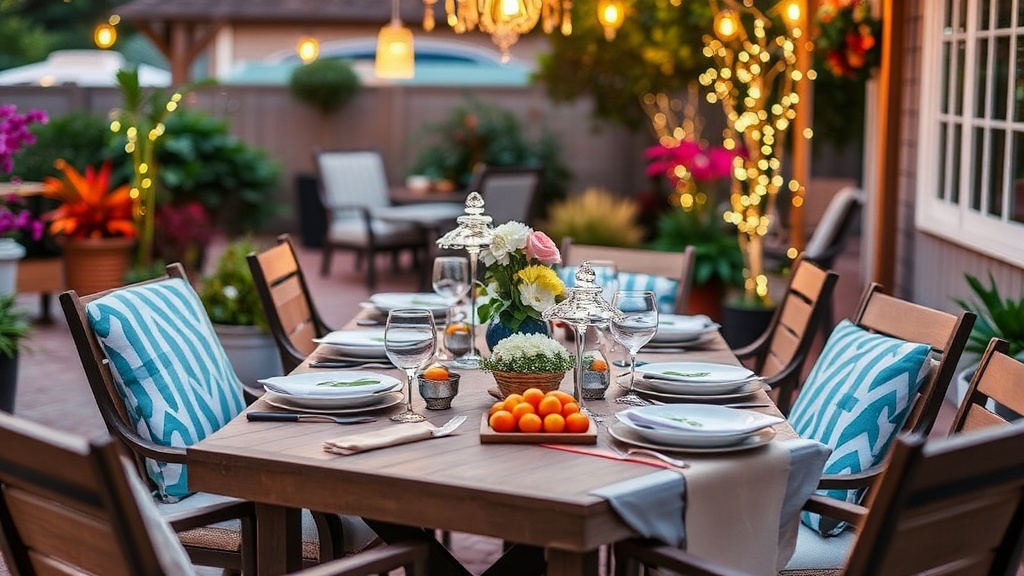
Finding the Perfect Seasonal Table for Outdoor Dining

Are you trying to figure out how to pick the right outdoor furniture for a Quebec patio that can handle both a heatwave and a sudden frost? This guide breaks down the specific materials, styles, and durability requirements needed to survive the erratic seasons of the Quebec City region. We'll look at why certain wood types fail in our humidity and which metal finishes actually hold up against the salt used on our streets during winter.
What Materials Survive Quebec Weather Best?
Teak and high-grade aluminum are the top choices for long-lasting outdoor furniture in our climate. If you want something that won't rot or rust when the spring rains hit, you need to look at the density of the grain or the coating on the metal.
Wood is a beautiful option, but it's high maintenance. Teak is the gold standard because its natural oils protect it from moisture. You'll see it often in high-end dining setups around the Old Quebec area because it handles the freeze-thaw cycles better than almost any other organic material.
Aluminum is another winner. It’s lightweight, which is handy when you need to move things into storage for the winter, and it doesn't rust. Just be careful with cheap powder coatings; if they chip, the underlying metal might react to the salt in the air.
Avoid cheap wicker. I've seen too many people buy beautiful synthetic rattan sets only to have them crack after one harsh Quebec winter. It might look good in the showroom, but the UV rays and the temperature swings are brutal.
| Material | Durability Rating | Maintenance Level | Best Use Case |
|---|---|---|---|
| Teak | Very High | Medium (Oiling) | Luxury long-term patios |
| Powder-Coated Aluminum | High | Low | Modern, low-maintenance setups |
| Polywood (HDPE) | High | Very Low | Casual dining and heavy use |
| Cedar | Medium | High | Rustic, aesthetic-focused spaces |
How Do I Choose a Table for Small Quebec Patios?
Choose a table that offers a way to adjust the size or a footprint that doesn't block your walking paths. In our historic district, space is often at a premium—especially if you're dining on a narrow balcony or a small courtyard.
If you have a tight space, an expandable table is your best friend. You can keep it small for morning coffee and expand it for a larger dinner with friends. Look for models with a "butterfly" or "drop-leaf" mechanism. These are practical and don't take up much room when you aren't using them.
Round tables are often better for small spaces than rectangular ones. They allow for better flow around the edges, preventing that awkward moment where you bump into the corner of the table while walking past. It makes the area feel larger, even if it isn't.
The catch? Round tables can sometimes be harder to fit against a wall. If you're working with a very narrow strip of patio, a rectangular table with a leaf might actually be more efficient.
Think about the weight, too. If you're living in a building with a balcony, you don't want a massive, heavy stone table. It’s a pain to move, and it puts unnecessary stress on the structure. Stick to lightweight metal or treated wood.
How Much Does High-Quality Outdoor Furniture Cost?
Expect to spend anywhere from $500 for a basic set to over $3,000 for premium, weather-resistant pieces. The price usually reflects the quality of the material and how long it will actually last in our local climate.
It's tempting to grab a cheap set from a big-box retailer, but you'll likely be replacing it in two years. I've seen plenty of "outdoor" sets end up in the trash after one season of snow and heavy rain. It's a false economy.
- Budget Tier ($200 - $500): Usually plastic or low-grade resin. Fine for a single season, but not a long-term investment.
- Mid-Range ($600 - $1,500): Good quality aluminum or treated wood. This is the "sweet spot" for most locals.
- Premium ($2,000+): Solid Teak, high-end HDPE (like the Polywood brand), or heavy-duty wrought iron. These are built to last decades.
When you're shopping, don't just look at the price tag. Look at the weight of the item in the store. If it feels flimsy, it will probably feel flimsy on your patio during a windstorm. Weight often correlates with stability.
One thing to note: if you're buying high-end wood, you'll need to budget for specialized oils or sealants. It's an extra cost, but it keeps that beautiful grain looking fresh.
What Is the Best Way to Protect My Table in Winter?
The best way to protect your table is to store it in a garage or a shed during the winter months. If you can't move it, use a heavy-duty, waterproof furniture cover designed specifically for your table's dimensions.
Don't rely on those thin, plastic sheets you see at the grocery store. They aren't designed for the weight of Quebec snow. Once the snow piles up, those thin sheets will tear, and the moisture will seep in anyway. You want something thick and breathable.
If you have a wooden table, even if it's treated, I highly recommend a cover. It prevents the wood from getting "waterlogged" during the spring thaw.
Here is a quick checklist for seasonal maintenance:
- Spring: Clean the table with mild soap and water to remove salt and grime from the winter.
- Summer: Check the stability of the legs; sometimes the ground shifts with the heat.
- Fall: Apply a fresh coat of sealant if using wood, or simply clean and cover it before the first frost hits.
If you are looking for more tips on keeping your outdoor space and home in top shape, you might find managing your home maintenance in Old Quebec a helpful read. It covers a lot of the same structural concerns regarding weather and durability.
A common mistake is leaving cushions outside. Even "water-resistant" cushions will hold moisture and develop mold if left in the rain. If you aren't using them, bring them inside or put them in a sealed plastic bin. It's much easier than cleaning mold off a cushion in July.
One more tip: if you're using a metal table, check the feet. Many high-quality brands include adjustable leveling feet. This is a lifesaver if your patio or balcony isn't perfectly level—which is quite common in older parts of the city.