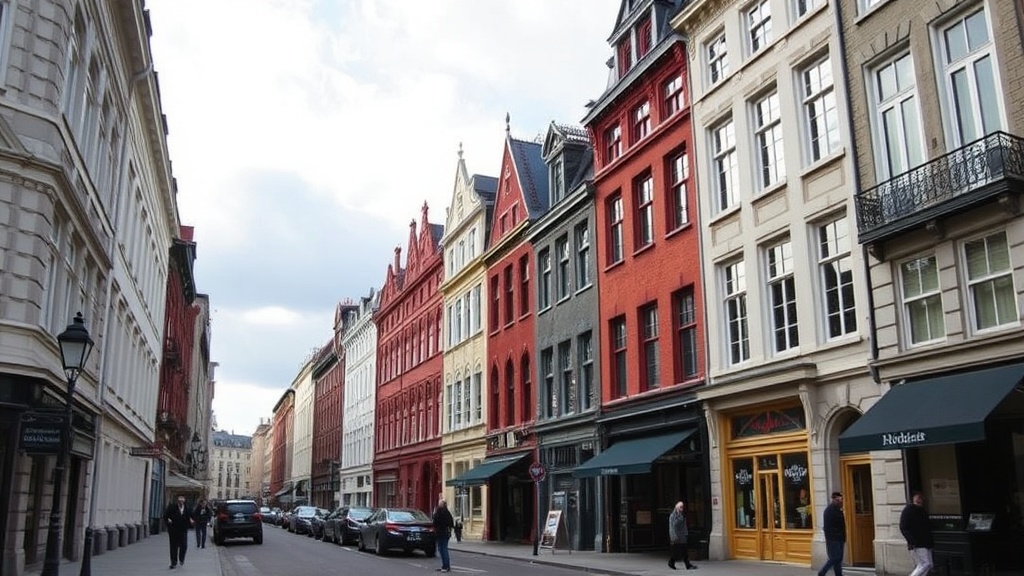
A Local’s Walking Guide to Old Quebec: Streets, Views, and Hidden Corners Worth Your Time
If you only have a day in Old Quebec, you can easily waste half of it following the same crowded loop everyone else does. There’s nothing wrong with seeing the classics—but if you want the version of the city locals actually enjoy, you need to move a little differently.
I’ve walked these streets in every season, early mornings and late nights, and there’s a rhythm to Old Quebec that most visitors miss. This guide is built around that rhythm—where to start, where to slow down, and where to step slightly off the obvious path.
Start Early: Lower Town Before the Crowds
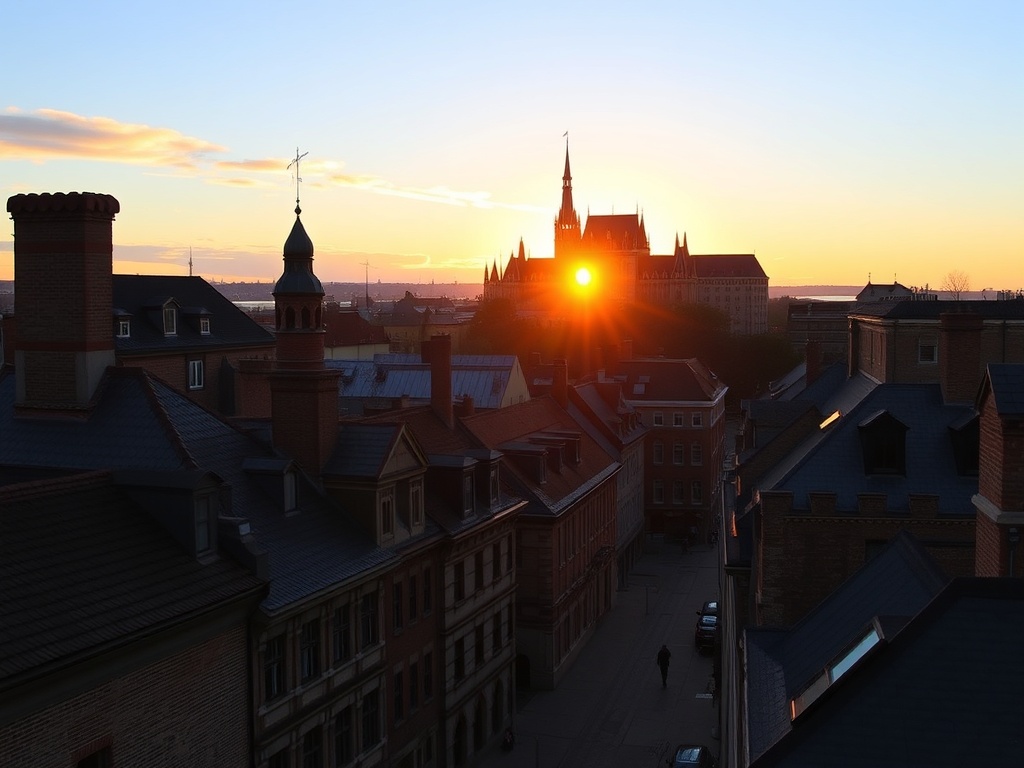
Begin in Petit-Champlain. Yes, it’s the most photographed street in the city—but timing changes everything. Before 9 a.m., it’s quiet enough to hear your own footsteps on the cobblestones. The shop signs creak slightly, café owners sweep their entrances, and the whole place feels like a film set before the actors arrive.
Walk slowly uphill rather than rushing. The incline forces you to look around, and that’s the point. Look for the details: iron balconies, faded paint, small staircases that lead nowhere obvious.
Skip buying anything here for now. You’ll come back later if you want. Right now, this is about atmosphere.
Take the Break Everyone Skips: Place Royale
Most people pass through Place Royale in under five minutes. That’s a mistake. This square is where the city began, and it still carries that weight if you give it time.
Find a bench or just stand still. Watch how the light moves across the stone walls. In the morning, it hits at an angle that makes the textures pop—every crack and uneven surface tells a story.
If you’re into photography, this is where you slow down. If you’re not, it’s still where you reset your pace.
Climb Smart: Break Up the Ascent
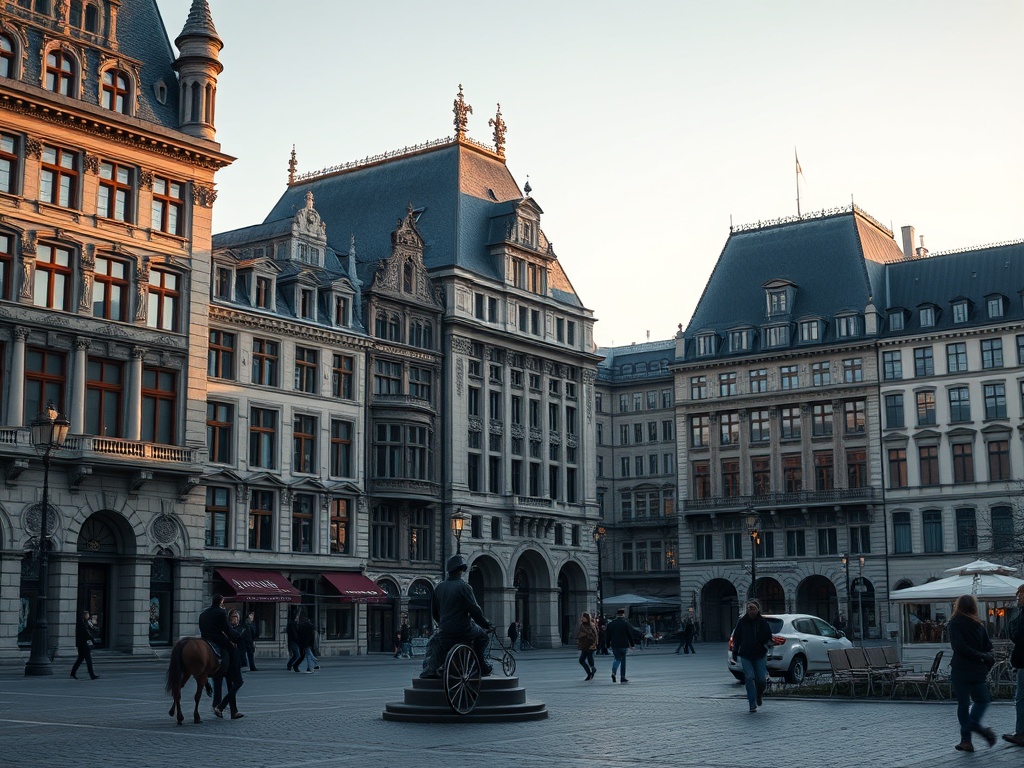
You have two options to reach Upper Town: the obvious staircase or the quieter side routes. The smart move is to combine both.
Take part of the Breakneck Stairs (Escalier Casse-Cou), but don’t commit to the full climb immediately. Detour onto side streets midway up. This breaks the physical effort and gives you angles of the city most people never see.
The goal isn’t efficiency—it’s perspective. Every turn upward shifts how the river and rooftops line up.
Dufferin Terrace: Don’t Just Walk Through
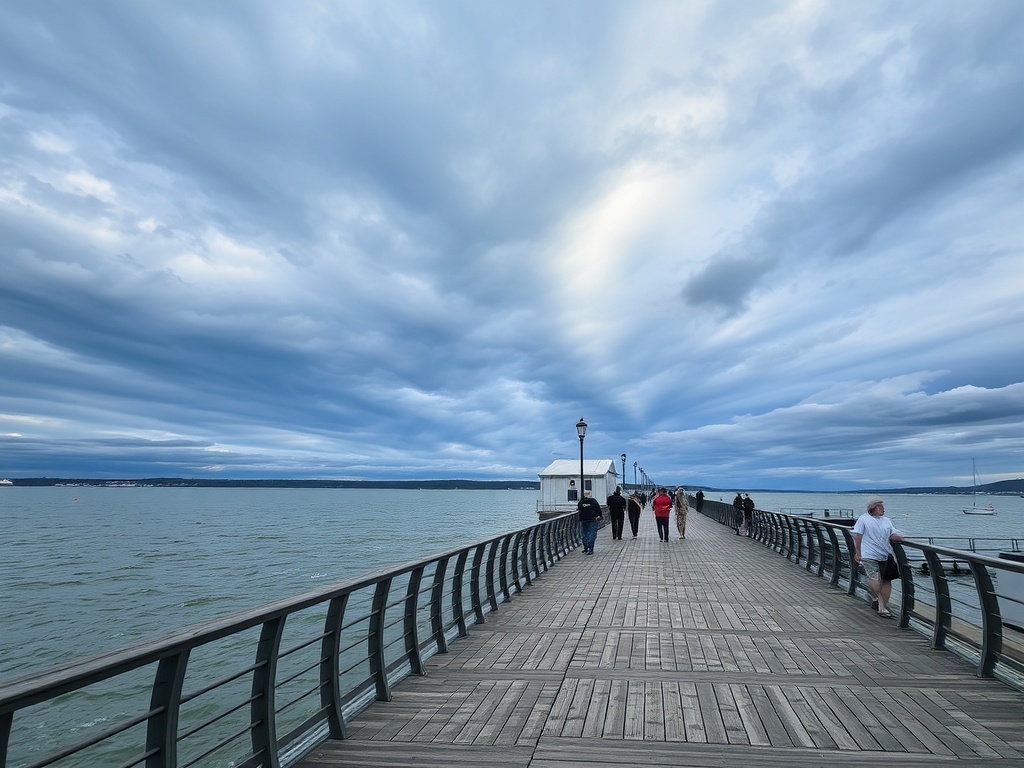
Once you reach Dufferin Terrace, you’ll see what everyone comes for: the sweeping view of the St. Lawrence River and the Château Frontenac looming behind you.
Here’s the thing—most people walk straight across, take a photo, and leave. Instead, walk the full length slowly, then double back. The view changes depending on your direction, and the second pass is always better.
If it’s windy (and it often is), lean into it. That’s part of the experience here.
Cut Behind the Obvious: Rue du Trésor and Beyond
Just behind the Château is Rue du Trésor, a narrow alley filled with artists. It’s worth a quick look, but don’t linger too long unless something genuinely catches your attention.
The better move is to keep walking past it into quieter streets. Within two minutes, the crowd noise drops off dramatically. This is where Old Quebec starts to feel residential again.
Look for small courtyards and doors that aren’t trying to impress anyone. Those are the real textures of the city.
The Loop Most People Miss: Around the Fortifications
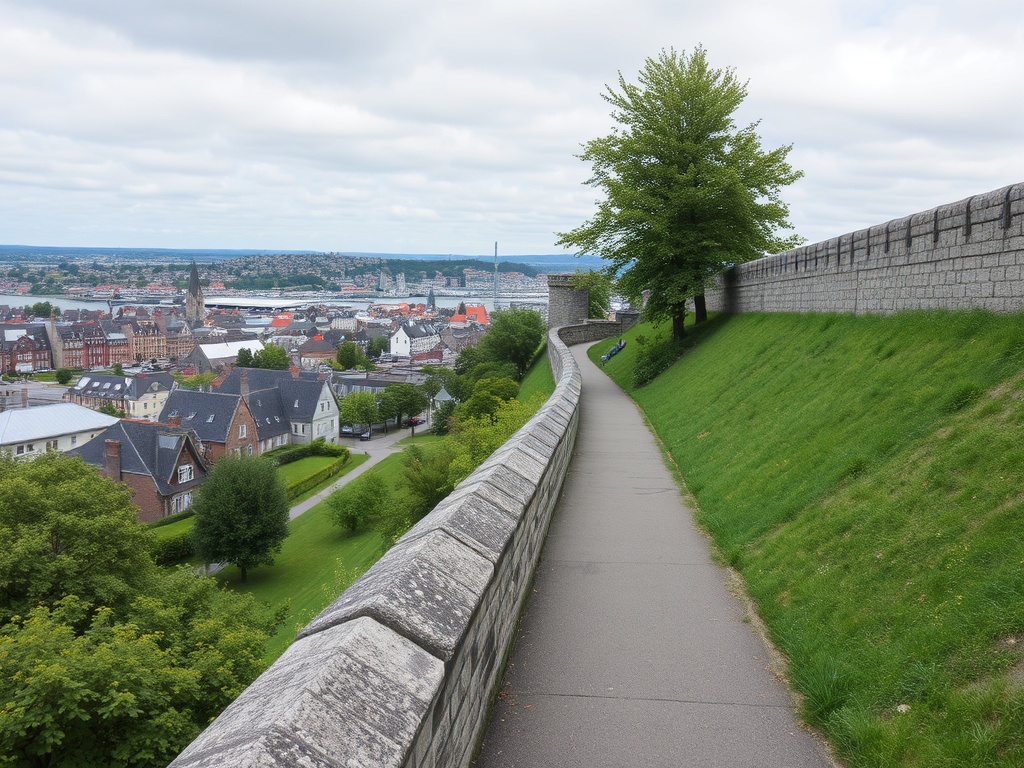
Old Quebec’s walls aren’t just something to glance at—they’re something to walk. Follow the fortifications for a stretch instead of cutting back into the center immediately.
You’ll get elevated views, fewer people, and a better sense of how the city was designed defensively. It also gives you breathing room after the tighter streets.
This is where the pace shifts from tourist stroll to something closer to a proper walk.
Midday Reset: Step Out for Space
By midday, Old Quebec gets crowded. Instead of fighting it, step slightly outside the busiest core. Even a 10-minute detour makes a difference.
Grab something simple—coffee, a light meal—and sit somewhere that isn’t trying to sell you the view. The quieter spots are always better for actually enjoying your break.
This pause matters. Without it, everything starts to blur together.
Late Afternoon: Come Back for the Light
The same streets you walked in the morning feel completely different in late afternoon. Shadows stretch, colors warm up, and the pace slows again as day-trippers start to leave.
Return to one or two spots you liked earlier—Petit-Champlain or Dufferin Terrace—and see them again. This second visit is where most people realize what they missed the first time.
Evening: Let the City Settle
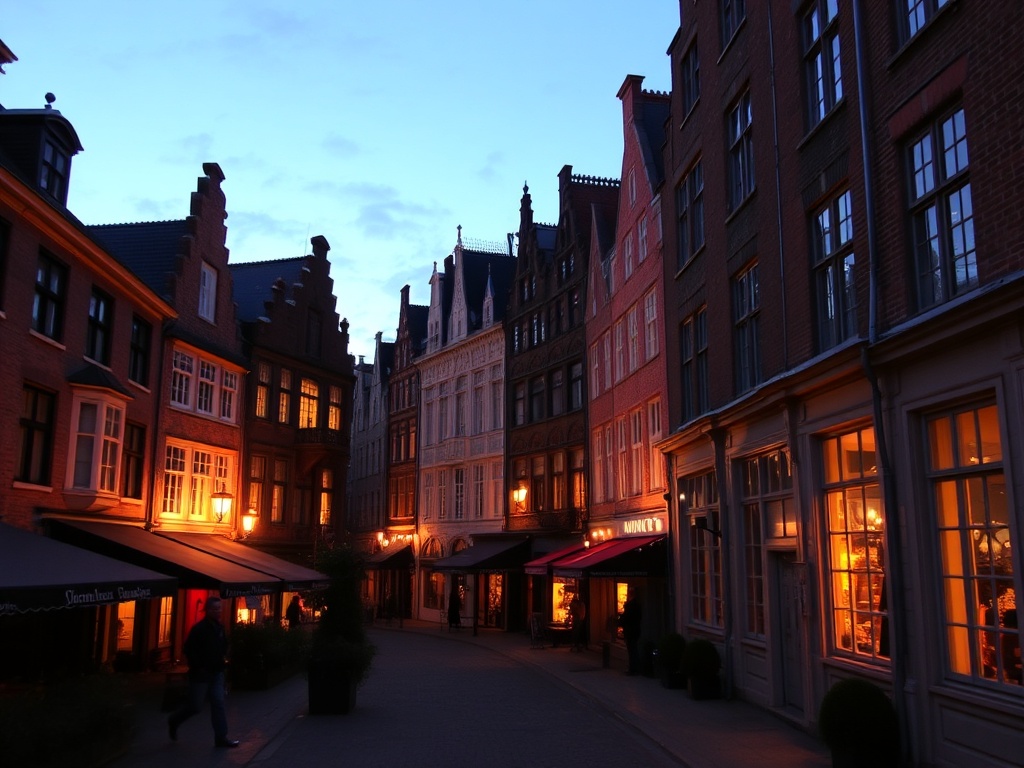
After dinner, walk again—but without a destination. Old Quebec at night is quieter, softer, and far more interesting than during peak hours.
The lighting is subtle, the streets open up, and the city feels lived-in rather than staged. This is when locals actually enjoy it.
Take your time. There’s no checklist left—just movement and atmosphere.
Final Thought: Don’t Rush a Small Place
Old Quebec isn’t large, but it rewards patience. The difference between a rushed visit and a memorable one comes down to how often you stop, double back, and allow yourself to notice small things.
If you follow this route loosely—early start, deliberate pauses, smart detours—you’ll cover the highlights without feeling like you rushed through them.
And more importantly, you’ll experience the version of Old Quebec that keeps people coming back, not just checking it off a list.